The elements of digital citizenship
This is my thinglink link; www.thinklink.com/Scene/665173741944176641
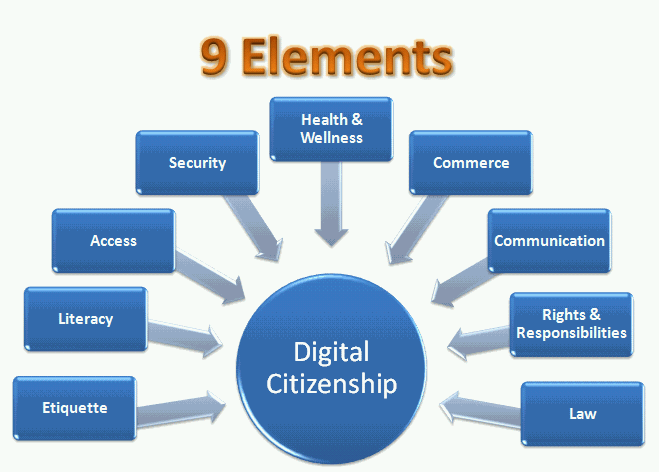
1. Digital Access – being able to interact with the society in this relations to Social Capital which is the ability to connect to people around the world with the use of technology. In relations to Knowledge Capital which is the ability to access the internet to gain knowledge for academic reasons. In relations to Human Capital with the ability to gain access to websites.
2. Digital Commerce – electronic buying and selling of goods. In relations to Social Capital being able to sell goods online using technology. In relations to Knowledge Capital having the ability to buy books for academic purposes online for students who need better information. In relations to Human Capital being able to log in to company’s websites to buy new products being produced.
3. Digital Communication – electronic exchange of information. In relation to Social Capital having access to share information using technology and internet. In relations to Knowledge Capital having access to research information for important activities such as students assignments. In relations to Human Capital the ability for the business to communicate with their customers online.
4. Digital Literacy – learning about technology and the good use of it. In relations to Social Capital have access to interact with other people who could teach you the good use of technology. In relations to Knowledge Capital having the learn more about technology. In relations to Human Capital having access to post academic images and information to educate people more about technology.
5. Digital Etiquette – electronic standards of conduct. In relations to Social Capital giving people the good manners of using internet. In relations to Knowledge Capital giving people the knowledge about the ways of being responsible in the digital world of communication. In relations to Human Capital promoting the standards of appropriate way of communication.
6. Digital Law – electronic responsibility for actions and deeds. In relations to Social Capital being aware that every action you commit on the digital world might haunt you at the end if you not being responsible enough. In relations to Knowledge Capital students should always have well structured assignments. In relations to Human Capital.
7. Digital Rights and Responsibilities – freedom to everyone in the digital world. In relations to Social Capital being aware of your rights and responsibilities of you as a citizen on the internet. In relations to Knowledge Capital being aware of what is wrong and right. In relations to Human Capital business rights and responsibilities regarding their digital footprint and what they do online.
8. Digital Health and Wellness – physical and psychological well-being in the digital world of technology. In relations to Social Capital applying restrictions to young people from gaining access to information that could affect their psychological well-beings. In relations to Knowledge Capital giving others the information o what is wrong and right that would prevent them from doing some of the things that might backfire to them. In relations to Human Capital the responsibility of the business of preventing someone’s well-being online.
9. Digital Security – electronic precautions to guarantee safety. In relations Social Capital being able to keep your information to yourself away from the public. In relations to Knowledge Capital give young teenagers about the dangers of not protecting themselves online because they might be victims to cyber bullying. In relations to Human Capital the business has a responsibility to make sure that their customers information is being stored on a safe place nobody will have access to it.
Many people tend to confuse on differentiating data, information and knowledge which makes it difficult for them to understand the elements of digital citizenship. Data: unprocessed information Information: organized information with meaningful idea Knowledge: information obtain during the years of academic along with experience.
This is my thinglink link; wwThis is my thinglink link; www.thinklink.com/Scene/665173741944176641 w.thinklink.This is my thinglink link; www.thinklink.com/Scene/665173741944176641 com/Scene/665173741944176641
Fluencies
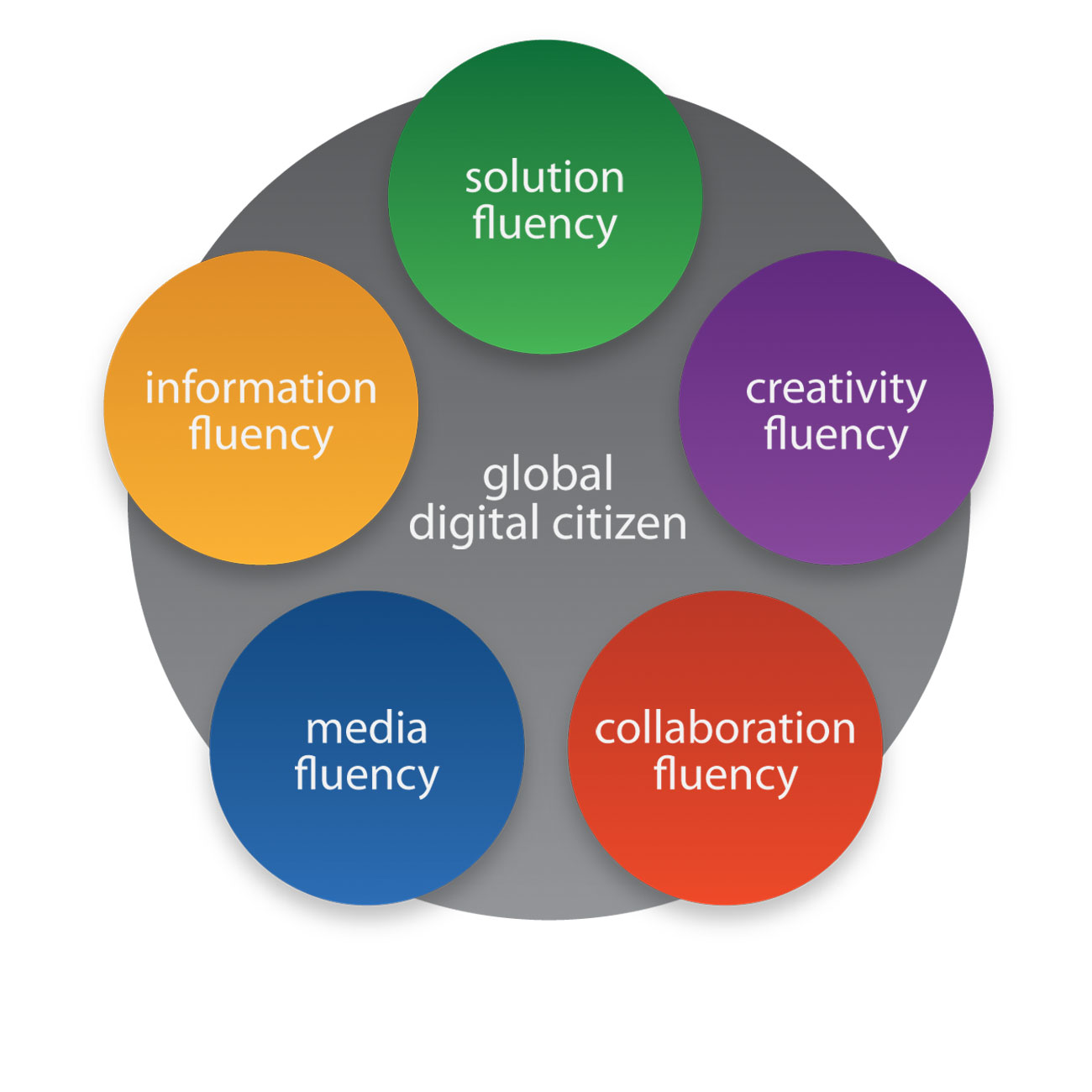
Digital Fluencies

Animal planet aired a television series called Mermaids: The Body found which was about the legendary sea creature believed to have been existed while there were no scientific evident proved that the creatures have ever existed but there are theories saying they have existed they even tried to convince the public with the series which aired from May 21 to 28, 2012. The public’s response was negative because they believed the series was fictional even the scientists behind the series were not professionals because they had poor footage their story was less than fantastical with about millions of viewers. In my own opinion animal planet didn’t succeed with their campaign in terms of the series because there were many critics about the Mermaid series they couldn’t convince the public about the so called existing sea mysterious creatures because over 3million viewed the series.
Digital Footprints Digital footprints data that is left behind by users on digital services. There are two classifications of digital footprints: passive and active. A passive digital footprint is created when data is collected without the owner knowing, whereas active digital footprints is released deliberately by the owner sharing information to the public.

The Chronicles of digital citizenship
Digital Communication

THE CLASH OF CLANS
Clash of clans is the online multiplayer game in which players build a community, troops, and attack other players to earn gold and elix.
Dark elixir which can be used to build defense that protect the player from other players attack and to train and upgrade troops, the game also has pseudo single campaign features in which must be attacked by a player in a series of fortified goblin villages. Strategies I used
1. Dark Elixir Bank I ferret away some of the precious liquid safe from the greedy paws of the enemy clashers.
2. I didn’t quit the game because I wanted to win if I was the one who quit I wasn’t going to win
3. Inactivity timeout
4. Resource savings: storage vs collectors
5. Visual cues
My experience I gained during the game
I found out that the Gold Mine graphic, you will see a tiny bin just to the right of where the mine cart comes up. This bin actually indicates how much gold is in the Gold Mine, similar to the visual “fullness” indicator on the storages. Higher level Gold Mines are time consuming to fill up because at level 8 it takes more than a day to fill up and if you see gold bins it means the village is likely abandoned.
Clash of Clans is the very good type of game for the young generation because it demands them to have strategies about any problem and situation they came across in their villages and overcome the problem.
Digital Security
Digital security refers to the ability to use digital information and information systems from unauthorized users from your confidential information.
Digital security involves issues surrounding it which are as follows; 1.Devices and Networks which involves malicious software and there are several types of this malicious software which are adware, bot, bugs, spyware and viruses.
2. Digital fraud and crime which involves scams, child pornography, identity theft, social media re-engineering , cyber bullying, cyber stalking.
There are terms and conditions accompanied by their risks which is to agree onto something you don’t know and not aware of because people find it boring to read the T&Cs, about 45% of people go through the T&Cs information making sure of what they are agreeing to and about 55% of people don’t know what they are agreeing to they find themselves in difficult situation because they have signed the contract with the particular company or insurance.
Cyber crime is the type of crime which takes place online and through social media.
Types of cyber crimes
Hacking whereby someone get access to your sensitive information.
Theft its wherby someone violates copyrights and downloads and software.
Cyber stalking whereby you are a victim subjected to a barrage of online messages and emails.
Identity theft whereby someone get access to your bank account and withdraw all your money online.
Malicious software these are programs used to disrupt networks to operate properly’
Child soliciting and abuse whereby someone sends pornography to children via social media facebook.

Cyber crime prevention
Activate your firewall
Use anti-malware software
Block spyware attacks
Secure your mobile devices
Install the latest operating system updates
Avoid being scammed
Protect your data Preventatives measures that can be taken
Increase prison sentencing for people found guilty of cyber crime.
Ensure that exchange of information adheres to security protocols.
Use a unified system compromising of software and hardware that will authenticates both manual and automatic transfer and access to information when it takes place between different security classification levels.
Digital Etiquette
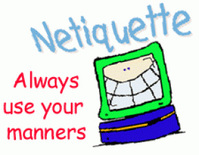
Digital Netiquette are basic sets of rules need to be obeyed by the users on the internet to ensure positive communication is taking place within the users.
1. 10 Points of netiquette
Don’t plagiarize
Write concisely
Be respectful
Spelling and grammar
Proofread
Use good tone
Double check email address
Be professional at all times
Don’t over use your power
Don’t judge other people and their mistakes
2. Penalties that apply for failing to meet these;
You might get arrested or sued for plagiarizing
Poor grammar and mis-spelling of words are unprofessional and reflect poorly on you and your message.
Audience will not read your message because its long and full of unnecessary words to read.
The wrong use of words can leave a bad impression upset the reader because of bad tone use.
You might send the email to a wrong address and expose confidential messages and they cannot be retrieved. 3. How you would enforce and manage this in your business
Implement etiquette laws to the business to be followed by employees Give employees the digital literacy and skills about etiquette
Educate staff employees about the importance of netiquette in a business
Website link
Website link: Sitebuilder yola.com/ide/index.jsp?siteid=a379f8d584f342efab5527of453847fe
Did you know
This is by blog link-https://www.blogger.com/blogger.g ? blog ID = 2649587353 184508701 # editor/target = post ; ID = 5821583103925983654; onPublishedMenu = allpost; onClosedMenu= allpost; postNum= 0;src= postname
Digital Health and Well-being
Digital Rights and Responsibility
Acceptable Use Policy of IIE
• Students should use e-mails as a way of effective communication
• Students have limited access to online entertainment during academic hours such as social networks and games
• Students should share academic file responsibly
• Students shouldn’t misuse internet
Penalties for non compliance of the AUP guideline
• Students who failed to follow the guideline will have to stand before the IIE administration and account for misusing the guideline and be will be forced to go through disciplinary actions.
Digital Security
Physical issues
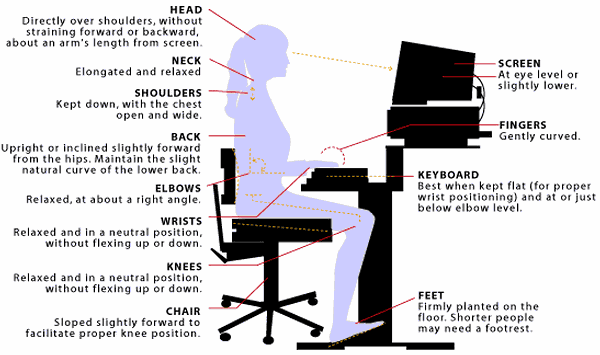
These are issues which are as a result of the overuse of the technology and internet and they have these following symptoms;
Ergonomics – applied science of equipment design for the workplace intended to maximize productivity by reducing operator fatigue and discomfort.
Repetitive Strain Injury Syndrome (RSI) – it develops over time after an action has been done using the posture. There are common types of RSI include Carpal Tunnel Syndrome, Trigger Finger, Tendinitis and also Blackberry Thumb.
Eye Strain – it’s the most annoying syndrome because it only affects one key area which is only the eye. Computer Vision Syndrome and Digital Eye Strain are the only two types of eye strain.
Obesity – having lack of physical activities and just sitting behind the desk for long period of time contributes to this obesity. Psychological issues
These are issues that are less likely to be noticed and they could lead to psychological issues as follows;
Addiction being obssed with playing computer games every after 5 minutes
Online disinhibition effect
Cyber stalkingbei
Cyber bullying being bullied online by old people sending you pornographic videos and movies.
Digital Commerce
Digital Commerce
1. Digital E-commerce trading products using computer networks such as the internet.
Timeline
1979: Michael Aldrich demonstrates the first online shopping system.
1981: Minitel was introduced nationwide in France by France Telecom and used for online ordering. 1983: California State Assembly holds first hearing on “electronic commerce” in Volcano, California.
1984: Gateshead SIS/TESCO is first B2C online shopping system.
1990: Tim Berners-Lee writes the first web browser, WorldWideWeb ,using a next computer.
1992: Books Stacks Unlimited opened a commercial sales websites selling books online with credit card processing.
1992: St. Martin’s Press publishes J.H. Snider and Terra Ziporyn’s Future shop: How New Technologies Will Change the Way We Buy.
1993: Paget Press releases edition No. 3 of the first [citation neede]AppStore , The Electronic AppWRAPPER.
1994: Netscape releases the Navigator browser in October under the code name Mozilla. Netscape 1.0 is introduced in late 1994 with SSL encryption that made transactions secure.
1994: Ipswitch IMail Server becomes the first software available online for sale and immediate download via partnership between Ipswitch, Inc. and OpenMarket.
1994: “Ten Summoner’s Tales” by Sting becomes the first secure online purchases.
1995: Jeff Bezos launches Amazo.com
1996: ECPPLAZA B2B market established in India
1996: IndiaMart B2B marketplace established in India.
1996: Selllerdeck, formerly Actinic, the UK’s first PC/LAN e-commerce platform established.
1998: Electronic postal stamps can be purchased and downloaded for printing from the web.
1999: Alibaba Group is established in China.
2000: The dot-com dust.
2001: Alibaba.com achieved profitability in December 2001.
2002:eBay acquires PayPAL FOR $1.5 billion.
2003: Amazon.com posts first yearly profit.
2004: DHgate.com, China’s first online b2b transaction platform, is established , forcing other b2b sites to move away from the “yellow pages” model.
2007: Flipkart is established in India
2009:Zappos.com acquired by amazon.com for $928 million.
2010: Groupon reportedly rejects a $6 billion offer from Google. Instead, the group buying websites went ahead with an IPO on 4 November 2011.
2011: Quidsi.com, parent company of Diapers.com
2013: US Ecommerce and Online retail holiday sales reach $46.5 billion 2014: Overstock.com process over $1 million in Bitcoin sales. 2. Importance of being informed
You get up to date with the new products being produced in a company
You get quality goods and service
3. Plagiarism guidelines;
Plagiarism is taking someone else work and do it as if its your own work.
Reason for plagiarism
Poor researching skills
Poor paraphrasing skills
Ways of plagiarism;
Submitting someone’s work as if its you own work
Cut and paste work from the internet
Downloading 4. Online Auctions and Tips;
Be sure about the auction site and its rules
Consider the levels of protection of the site
Be sure about delivery
Section for parents
Despicable Me and Super Mario are the two games I recommend for young generation because they not addictive and when you log off from them you don’t get notifications about the game. These games don’t need constant attention and parents should allow their kids to engage themselves to these two types of games.

This is despicable me game is available on play store

This is the super mario bros game is available on play store
Reference
1. Williams, G, (2014) e-commerce is history. Wired [Online] Available from: http://www.wiredevent.co.uk/Wired_content/uploads/2014/07/retail.
2. “Digital Citizenship – The Internet, Society and participation” By Karen Mossberger, Caroline J. Tolbert, and Roman S. McNeal.”23 Nov. 2011. ISBN 978-0819456069
3.http://digiteen2008.wikispaces.com/Digital Etiquette
4. Animal Planet. 2013. [Online]. Available at: http://www.animalplanet.com/tv-shows/mermaids/ [Accessed May 2015]
5. Independent Institution of Education 2015. Digital Citizenship Manual
6. ^Kock, N (July 1999). “A case of academic plagiarism”. Communications of the ACM 42 (7): 96-104. doi:10.1145/306549.306594.
